I write books. I also build and run the AI systems that operate the business behind them. Everything on this page is live and in daily use, not a demo or a weekend experiment. I built each one for a real operational problem in my own publishing work, and each one is still running.
This page exists for the people who ask what an AI-run author business looks like from the operations side. The professional history underneath it: twenty years of enterprise software at FIS, Capital One, ING Direct, and Accenture, plus an MBA in marketing.
Five autonomous operations agents
The business runs on five scheduled AI agents. A daily brief that reads my calendar, email flags, and open commitments and sends one email each morning. A nightly sync that captures unfinished work into a git-backed ledger without sending anything. A weekly review that opens with the income trendline and closes with the next best moves. A monthly deep pass for SEO, sales data, and discovery scans. A monthly investing check-in that ends on its own schedule.
The design rule that makes it work is a written attention budget: the whole system may send me at most one email a day, one a week, one a month. Any new automation must ride an existing agent and name what it replaces. I redesigned the system in July 2026, consolidating fourteen accumulated routines into these five after a full audit, and the system keeps a written record of experiments tried, kept, and vetoed.
ownstack-analytics: an owned data layer
Twelve production collectors pull my numbers from Google Search Console, GA4, YouTube, Meta, Threads, Pinterest, X, and WordPress into one local, queryable store. A companion CLI reads it. I stopped visiting platform dashboards; the weekly review reads the data for me and reports the deltas.
A custom MCP server
I built a Model Context Protocol server that exposes seven live analytics tools from that data layer to any AI session. Ask a question about the business in a conversation and the model queries real numbers instead of guessing.
Archive Map: twenty years of writing as a knowledge graph
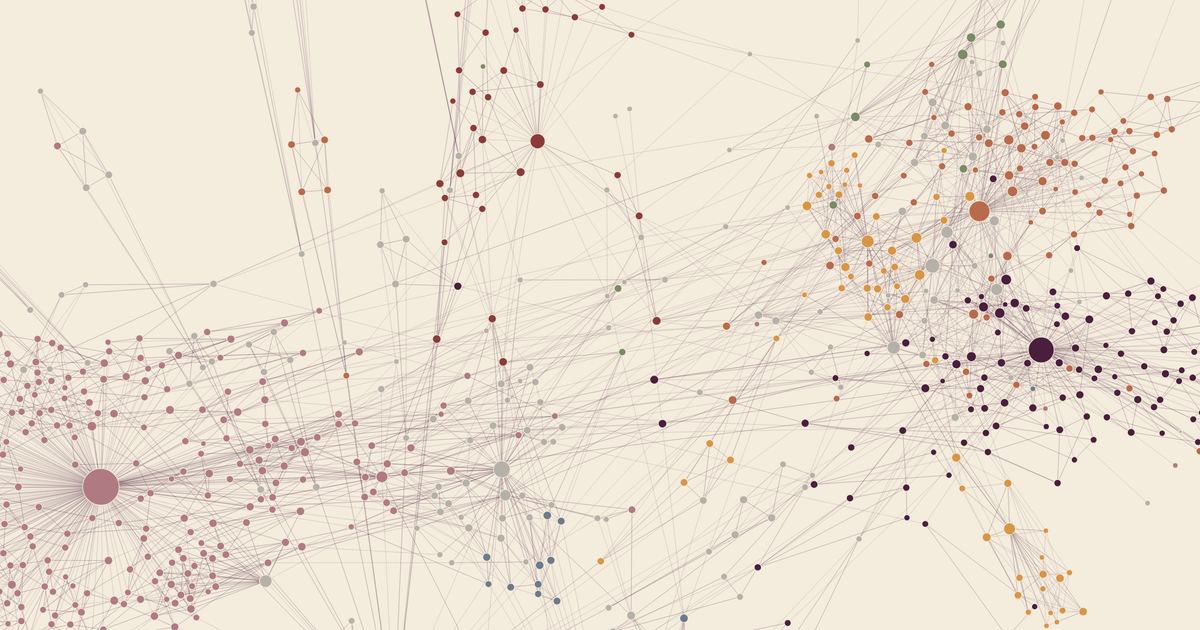
I have been writing online since 2005. The Archive Map converts that archive into an Obsidian vault and a public interactive graph you can explore at lgiyer.com/archive-map. I use it to find orphaned posts worth rescuing, wire internal links between essays that belong together, and assemble a book drawn from the archive.
MemoryBank: local photo intelligence
A desktop application that organizes my family’s 78,500-photo library with face recognition and tagging, built local-first so nothing leaves the machine. It has a written policy for model confidence limits: my twins are never told apart by the model, only by a human.
PA Ballot Lookup: a nonpartisan civic tool
The same stack works outside the business. In July 2026 I built a nonpartisan ballot lookup for Pennsylvania’s general election: type an address, see every race on your ballot. It covers all 247 races, from the governor’s race down to every state house district, with candidate data drawn from the state’s official filings.
The issue positions are the part I am most careful about. Over 2,000 sourced entries, researched by parallel AI agent workflows under written neutrality rules: every position is a dated paraphrase of the candidate’s own words, never inferred from party, and anything unverified says so. A public corrections inbox keeps it honest. It is live at ballotlookup.netlify.app.
Publishing and search infrastructure
Programmatic WordPress publishing through custom code snippets and REST scripts. Schema.org and Wikidata entity management that feeds a Google Knowledge Panel. AI-search visibility work, including llms.txt. An SVG asset generator that renders eight branded formats per post. A Remotion pipeline that assembles short-form video in React.
Why this page
I built all of this between March and July 2026, working with Claude as the development partner and myself as architect, product owner, and the only user. If you are working on AI strategy, enablement, or agent design and want to talk with someone who operates this stack in production, write to me at glaksh@gmail.com. The professional context is on LinkedIn: linkedin.com/in/lakshmigiyer.